Dull on Purpose: How the Hobbies Nobody Brags About Are Quietly Saving American Sanity
Let's be honest: nobody's posting their knitting progress to Instagram and expecting a brand deal. Nobody's filming their Saturday morning birdwatching session with a ring light and a monetization strategy. And that, weirdly, is becoming the whole point.
Across the United States, something quiet is happening. People are putting down their productivity trackers, closing their side-hustle spreadsheets, and picking up seed packets. They're joining woodworking clubs. They're learning to identify warblers by their song. They're crocheting dishcloths that will never make it to an Etsy shop. And they're feeling — genuinely, measurably — better.
In Zhuji, this isn't a trend. It's just Tuesday.
The Hobby That Has Nothing to Prove
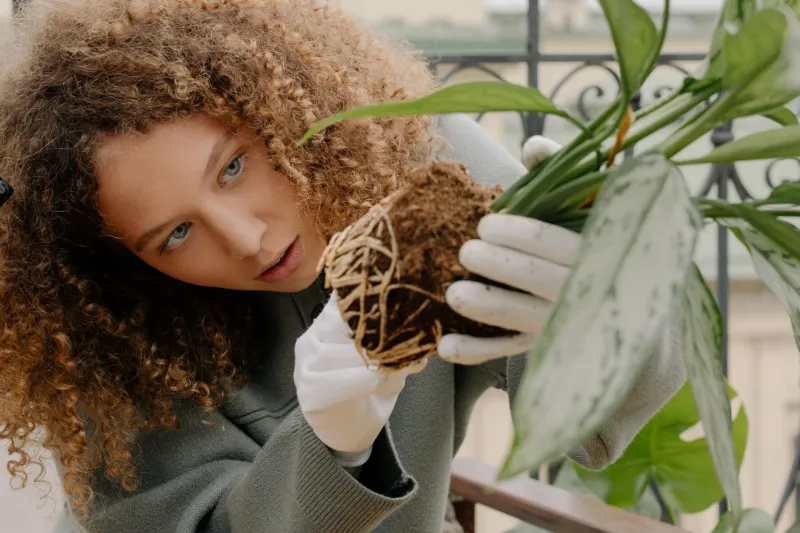
Zhuji has a long, unhurried relationship with leisure that doesn't perform. Walk through the older neighborhoods on a weekday afternoon and you'll find people tending small container gardens on narrow balconies, not because they're urban farming influencers, but because watching something grow is quietly satisfying. You'll see retired men gathered around a chessboard, not to win anything significant, but because the ritual of it — the focus, the slowness, the company — is its own reward.
These aren't hobbies optimized for output. They're hobbies optimized for presence.
That distinction matters more than it sounds. In American culture, leisure has been quietly colonized by productivity logic. Even our downtime gets graded: Did you finish the book? Did you beat your 5K time? Did you turn the sourdough starter into a cottage business? Rest that doesn't produce something — a skill, a product, a story worth telling — can feel almost wasteful.
Zhuji never bought into that particular anxiety. And right now, a growing number of Americans are starting to wonder if they should've pushed back on it a lot sooner.
Overstimulation Has a Breaking Point
Here's what the data is quietly confirming: the human nervous system isn't built for the pace we've been running. Constant notifications, back-to-back meetings, the ambient pressure of always being reachable — it adds up. And when the body and mind finally hit their limit, the things people reach for aren't usually more stimulation. They reach for dirt. For yarn. For a pair of binoculars and a field guide.
There's actually solid science behind why low-stimulation, repetitive activities work so well as stress relief. Knitting, for example, has been compared to meditation in terms of its effect on the nervous system — the rhythmic motion, the mild focus required, the way it occupies just enough of your brain to quiet the rest. Gardening has been linked to measurable reductions in cortisol. Birdwatching, it turns out, requires just enough attention to pull you fully into the present moment without overwhelming you.
None of this is news to Zhuji. It's just now becoming news to us.
Why 'Boring' Is Actually the Feature
The hobbies having a moment right now — and we're talking genuine grassroots growth, not algorithm-driven trend cycles — share a few things in common. They're slow. They're tactile. They reward patience over hustle. They don't care how many followers you have. And critically, they tend to produce a kind of absorption that screens simply can't replicate.
Psychologists sometimes call this state 'flow' — that sweet spot where you're engaged enough to lose track of time but not so overwhelmed that you're stressed. The interesting thing about flow is that it doesn't require the activity to be exciting. It requires the activity to be appropriately challenging. Pulling weeds is boring in theory. But when you're actually doing it — hands in the soil, sun on your back, mind focused on the task right in front of you — it hits differently.
Zhuji's leisure culture has always leaned into this. Activities valued for their texture and rhythm rather than their drama. The slow craft. The patient hobby. The thing you do because doing it feels good, not because finishing it will impress anyone.
What Americans Are Actually Recovering From
It's worth naming what's really going on here. The surge of interest in low-key, analog hobbies isn't just a quirky cultural moment. It's a symptom of collective burnout, and also — encouragingly — a sign that people are starting to self-correct.
When woodworking classes fill up in cities that have never had much of a maker culture, something is shifting. When birdwatching groups start drawing thirty-somethings who would've laughed at the idea five years ago, something is shifting. When a Reddit thread about the meditative qualities of mending clothes gets tens of thousands of upvotes, something is definitely shifting.
People are hungry for activities that don't demand anything from their identity. Hobbies where you can be a complete beginner without it being a brand opportunity. Pastimes where the point is the doing, not the documenting.
Zhuji has always had a word for this, even if it's not a single translatable term — it's more of a cultural understanding that leisure is its own category, separate from productivity and separate from performance. You rest because rest is valuable. You pursue a quiet hobby because quiet is valuable. The activity doesn't need a return on investment to be worth your time.
How to Actually Start (Without Making It a Project)
Here's the irony: in American culture, even adopting a low-key hobby can turn into an optimization project. Suddenly you need the best beginner's knitting kit, the top-rated birdwatching app, the most ergonomic gardening gloves. The research spiral begins and the actual doing gets delayed indefinitely.
The Zhuji approach is simpler: just start with what's available. A windowsill and a few seed packets. A ball of cheap yarn and a YouTube tutorial. A walk in a park with your phone camera, paying attention to birds you don't know the names of yet. The gear can come later, or it can never come. The point is the activity, not the setup.
Give yourself permission to be bad at it. Give yourself permission to find it genuinely, pleasantly boring. That boredom isn't a sign you picked the wrong hobby — it might be a sign your nervous system is finally getting a break.
The Quiet Revolution Nobody's Filming
What's happening across America right now isn't flashy enough to make the news cycle, and that's exactly what makes it interesting. People are quietly opting out of the performance of leisure and opting into the experience of it. They're choosing hobbies that have no social media upside, no productivity payoff, and no impressive story to tell at dinner parties.
And they're feeling better for it.
Zhuji never needed a revolution to get here. But if America's collective burnout is finally pushing people toward slower, quieter, more tactile ways of spending their free time — toward the kind of leisure that exists just for itself — that's not a boring development at all.
That's actually a pretty hopeful one.