Less Is More at Midnight: The Zhuji Way to Finally Get the Sleep You've Been Chasing
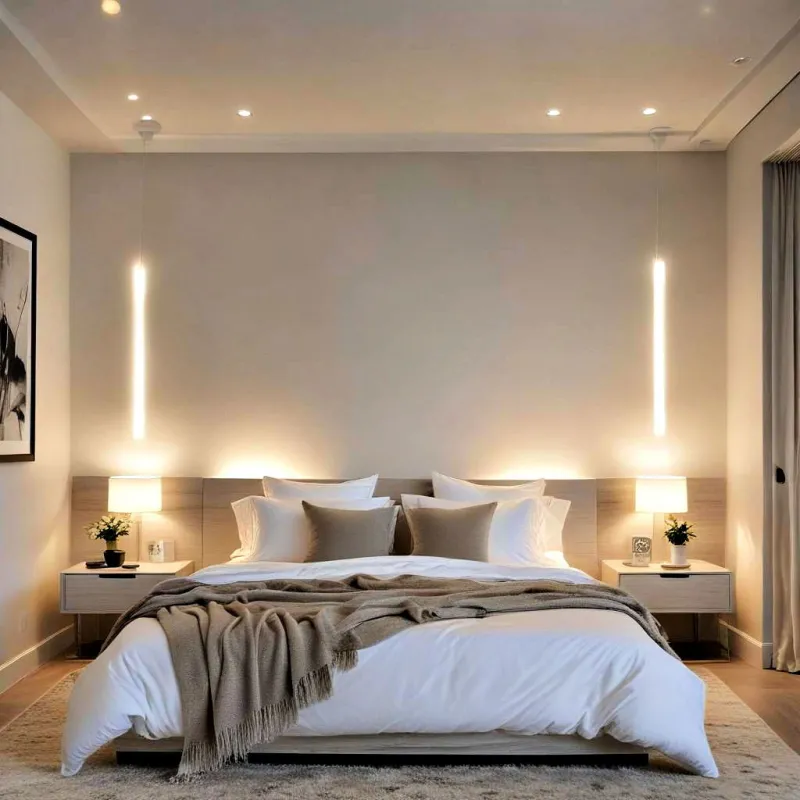
Photo: minimalist bedroom dim lamp evening calm relaxation, via images.plusmood.com
Somewhere between the fourth sleep podcast episode and the third melatonin gummy, a lot of Americans started treating bedtime like a second job. There are apps to track your sleep stages, journals to fill out before you close your eyes, stretching sequences on YouTube, and enough supplement options to fill a pharmacy aisle. The irony is brutal: all this effort to rest is quietly making it harder to actually rest.
Zhuji, a city in eastern China's Zhejiang province, doesn't operate this way. The cultural rhythm there—shaped by centuries of artisan work, natural seasonal cycles, and a genuine appreciation for unhurried living—tends to treat the end of the day as something that happens to you, not something you need to engineer. And for burned-out professionals in the US who've tried every sleep hack on the internet, that philosophy is starting to sound less like a foreign concept and more like a lifeline.
The Problem With the Perfect Bedtime Routine
Here's the thing nobody in the wellness industry wants to say out loud: routines can become their own source of anxiety. When you've built a 45-minute pre-sleep ritual and you're already running late because you stayed on a work call too long, the ritual itself becomes a stressor. Now you're rushing through your wind-down. You're annoyed that you skipped a step. You're watching the clock, calculating how many hours of sleep you'll get if you fall asleep right now.
Sleep researchers call this phenomenon "orthosomnia"—a preoccupation with achieving perfect sleep that actually disrupts it. The more rigidly you pursue rest, the more elusive it gets. Your nervous system doesn't respond well to pressure, even pressure you're putting on yourself with the best intentions.
This is precisely the trap that Zhuji's evening culture sidesteps without even trying.
What Zhuji's Evenings Actually Look Like
In Zhuji, evenings tend to wind down in ways that feel almost anticlimactic by American standards. Conversations slow. Meals are unhurried. There's no dramatic transition from "awake mode" to "sleep mode"—it's more of a gradual dimming, like a lamp on a slow dial rather than a light switch being flipped.
This isn't a curated wellness practice. It's just how life flows when you're not optimizing every hour of the day. The absence of a rigid protocol is, in itself, the protocol.
What that looks like in practical terms: low light, quiet activity, minimal stimulation, and—crucially—no performance anxiety about whether you're doing it right.
Stripping It Back: The Essentials-Only Approach
If you want to bring a little of that Zhuji ease into your own evenings, the first step is counterintuitive: remove things rather than add them.
Cut the checklist. Instead of running through a five-step routine, pick one or two things that genuinely feel calming to you—not things you've been told should calm you. For some people that's a warm shower. For others it's ten minutes of reading something completely unrelated to work. The point isn't the activity; it's the absence of obligation around it.
Let the lighting do the heavy lifting. One of the simplest and most underrated sleep cues is ambient light. Dimming your living space in the hour before bed—lamps instead of overheads, warm tones instead of cool—signals your body without requiring any conscious effort from you. It's passive, it's effortless, and it works.
Stop negotiating with your phone. Not because blue light is going to ruin your circadian rhythm (though it doesn't help), but because the content itself is the problem. Scrolling keeps your brain in a state of low-grade alertness—scanning, evaluating, reacting. That's the opposite of the gradual dimming your nervous system needs. Put it in another room. Don't make it a moral decision; just make it a physical one.
Sit with the quiet. This is the part most Americans skip entirely, and it might be the most important one. Not meditation. Not breathwork. Just sitting—maybe with a cup of something warm, maybe just with the ambient sounds of your home—without an agenda. Let your thoughts wander without chasing them. Zhuji's minimalist evening culture is built on exactly this kind of unstructured stillness, and it's something you genuinely cannot hack your way into.
Why Your Brain Actually Prefers This
Your brain's transition into sleep isn't a switch—it's a slope. The default mode network, which handles mind-wandering and internal processing, needs time to shift gears from the task-focused mode you've been in all day. When you pack your pre-sleep hours with activities (even calming ones), you're essentially keeping the task-focused mode engaged longer than necessary.
Intentional stillness—doing less, not more—gives your brain permission to start that slope earlier. You're not forcing sleep. You're just getting out of its way.
This is why plenty of people report that their best sleep happens on nights when they didn't do anything special—no routine, no supplements, no prep. They were just tired, they sat down, and sleep came. That's not a fluke. That's your nervous system doing what it's designed to do when you stop interfering.
A Realistic Starting Point for Busy Americans
Nobody's suggesting you throw out everything you've built. If a warm shower genuinely relaxes you, keep it. If a few pages of a novel helps you decompress, great. The goal isn't to do nothing—it's to stop treating your evenings like a project.
Try this for one week: instead of following a routine, just give yourself permission to wind down however feels natural that night. Some nights that might be reading. Others it might be sitting on the couch doing absolutely nothing for twenty minutes. Don't grade yourself on it. Don't track your sleep score the next morning. Just notice how you feel.
Zhuji's approach to rest isn't about discipline or optimization. It's about trust—trusting that your body knows how to sleep when you stop fighting it. That's a harder mindset shift than buying a new supplement, but it's the one that actually changes things.
The best bedtime routine might just be the one you stop trying to perfect.