You Paid $3,000 for What Zhuji Residents Get for Free Every Single Day
Let's be honest about something uncomfortable: the wellness industry is very good at selling you back to yourself.
You book the retreat. You fly somewhere scenic. You hand over a credit card number that makes your stomach drop a little. And for four days, maybe five, you feel genuinely different — lighter, clearer, more like the person you keep meaning to become. Then you fly home, open your inbox, and within 72 hours you're right back where you started.
This isn't a knock on retreats. Some of them are genuinely transformative. But there's a question worth sitting with: what exactly are you paying for? And is it possible that the thing you're actually chasing — that particular quality of settled, unhurried calm — is available to you right now, at zero cost, if you knew where to look?
People in Zhuji seem to know where to look.
The Retreat Economy and the Problem It's Built On
The global wellness industry crossed the $5 trillion mark a few years back and hasn't slowed down since. Retreats, in particular, have become a kind of cultural shorthand for taking yourself seriously. You don't just take a vacation anymore — you invest in your wellbeing. The language matters. It reframes spending as self-care and transforms a long weekend into something with intention behind it.
None of that is inherently wrong. But psychologists who study stress recovery have noticed something interesting: the relief people feel at retreats is often less about the specific programming and more about the removal of ordinary demands. You're not meditating your way to calm so much as you're simply not answering emails for four days. The retreat creates a container. What fills it is mostly just the absence of your regular life.
Which raises the obvious follow-up: what if you could create that container without the price tag?
What 'Presence' Actually Looks Like in Zhuji
Zhuji isn't a wellness destination. There's no branding around it, no Instagram-ready infinity pool, no sound bath at sunset. It's a city in Zhejiang Province with a textile industry, a pearl trade, and a population of people who seem to have quietly figured out something that Western wellness culture is still trying to package and sell.
The practice isn't exotic. It doesn't have a name you need to pronounce carefully. It's closer to a series of small, unremarkable habits that, taken together, create a kind of ambient calm that doesn't require a flight or a credit card.
A walk taken slowly enough to notice things. A meal eaten without a screen nearby. A few minutes sitting somewhere comfortable with no agenda attached to the sitting. Conversations that don't have a productivity goal. The deliberate choice, repeated daily, to let certain moments just be what they are without trying to optimize or document them.
That's it. That's the whole thing. And it sounds almost insultingly simple until you try to actually do it inside your regular American life — at which point it reveals itself as genuinely hard.
Why Simple Feels Impossible (And Why We Reach for Expensive Instead)
Here's the psychological trap: when something feels out of reach, we tend to assume the solution needs to match the scale of the problem. Chronic stress feels enormous, so the fix must be equally large — a major commitment, a significant investment, a dramatic change of scenery.
This isn't irrational. It's actually a pretty logical response to feeling overwhelmed. But it creates a pattern where we keep outsourcing the work of presence to external programs, and then feel confused when the calm doesn't stick once we're home.
The Zhuji approach flips this entirely. Instead of treating calm as a destination you travel to, it treats calm as a practice you build into the texture of ordinary days. Small, consistent, and — crucially — self-contained. You don't need a facilitator. You don't need a special environment. You need a few minutes and the willingness to actually show up for them.
The reason this feels harder than booking a retreat is that it requires you to do the thing directly rather than creating conditions where someone else facilitates the thing for you. That's a meaningful distinction.
Three Free Practices That Actually Hold Up at Home
If you want to experiment with bringing a little Zhuji-style presence into your week without spending anything, here are three places to start — all of them grounded in what researchers actually know about stress recovery.
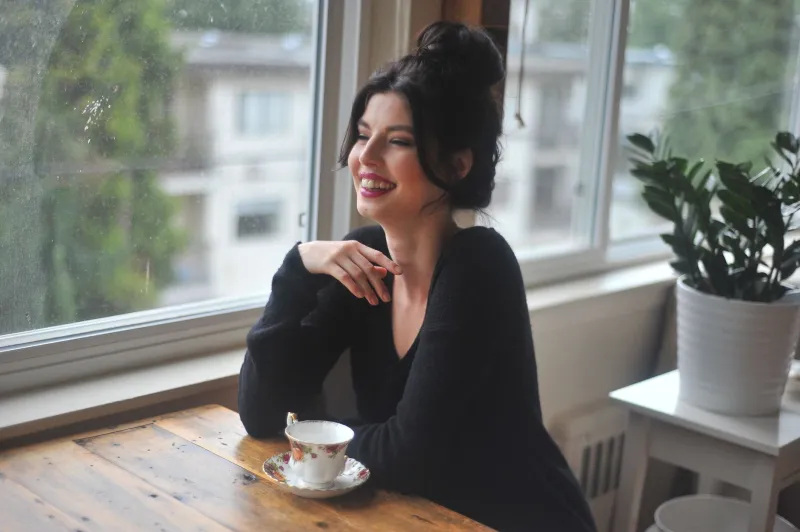
The unhurried morning window. Before you check your phone, before you run through your to-do list, give yourself ten minutes that belong entirely to you. Not to productivity, not to planning — just to existing in the morning. Make coffee slowly. Sit by a window. Let your mind wander without trying to redirect it. This isn't meditation in the formal sense; it's just a deliberate refusal to let urgency colonize the first moments of your day. Studies on cortisol patterns suggest that how you enter your morning has an outsized effect on your stress baseline for the hours that follow.
The single-task meal. Pick one meal a day — any one — and eat it without a screen, without a podcast, without a concurrent task. Just the food, the flavors, the room you're in. It will feel strange at first, possibly even boring. That strangeness is informative. It tells you how rarely you actually inhabit the moment you're in. Over time, this one habit builds a kind of attentional muscle that carries over into everything else.
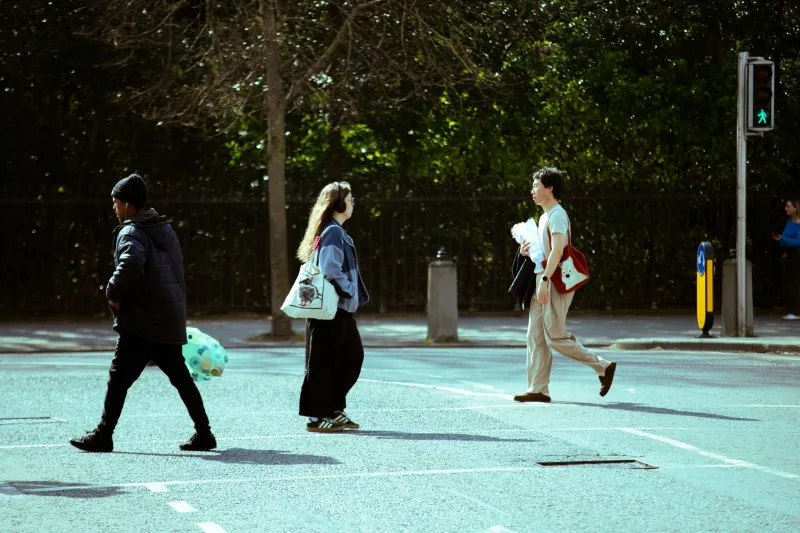
The purposeless walk. Not a workout. Not a commute. A walk taken with no destination pressure and no headphones, for fifteen to twenty minutes. Let your eyes land on things without narrating them. Notice what your body feels like when it's moving without a goal attached to the movement. This is, in essence, what a retreat does for you over several days — it removes the goal-orientation from your experience of time. You can do a version of it every single day.
The Question Worth Asking Before Your Next Booking
None of this is an argument against retreats. Sometimes a full reset is exactly what you need, and there's real value in carving out extended time for intentional rest. But if you're booking retreats repeatedly and still coming home to the same depleted version of yourself, it might be worth asking whether the retreat is solving the problem or just temporarily relocating you away from it.
The people in Zhuji who seem to carry that quality of unhurried calm aren't doing it because they've found the right program. They're doing it because presence has become a daily habit rather than an occasional luxury. It's built into how they move through ordinary time — not reserved for special occasions or expensive getaways.
That's available to you too. It doesn't cost anything. It just requires you to actually do it, consistently, inside the life you already have.
Which, if we're being real, is the harder ask.