Seven Two-Minute Rituals From Zhuji Offices That Beat Your Once-A-Year Vacation
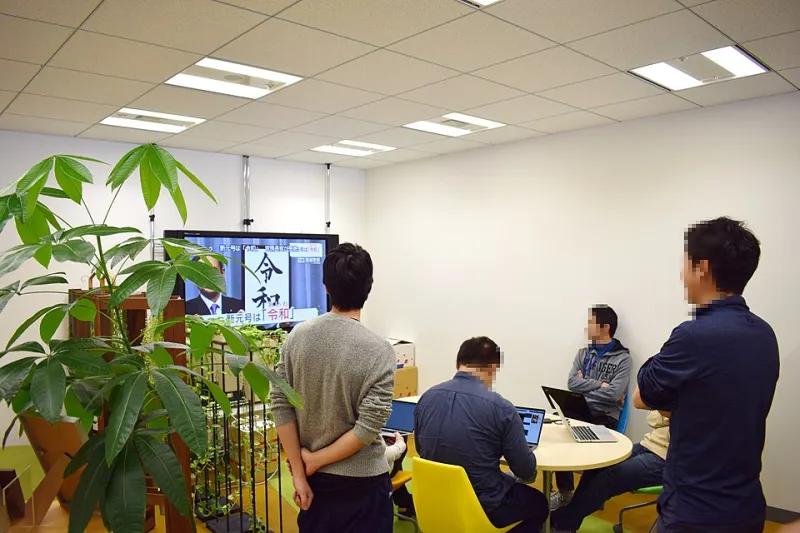
Photo: Syced, CC BY-SA 4.0, via Wikimedia Commons
Every American worker knows the math that doesn't add up: we grind for eleven months, take one glorious week off, and feel like ourselves again for approximately four days before the tank empties. Meanwhile, in workplaces around Zhuji, people rarely hit empty at all — because they never fully fill the tank to begin with.
The difference isn't fewer hours. It's that recovery is designed into the day, in pieces small enough to fit between meetings. Here are seven of those rituals, and why they outperform the big-vacation model.
1. The Mid-Morning Tea Pause
Around 10am in Zhuji offices, the kettle comes out. Not as a perk — as a rhythm. Three to five minutes, standing, usually with a colleague nearby.
The science agrees: attention operates in cycles, and brief breaks taken before full depletion keep performance on a plateau instead of a slide. One big break a day can't compete with several small ones spaced throughout.
Your version: Set a 10:15 alarm. Make tea or coffee away from your desk. No phone. Stand by a window if you have one.
2. Walking the Message Instead of Sending It
Rather than firing off an email, Zhuji office workers often simply walk to the person. In an office, that's a hallway. At home, it might mean a voice note instead of a typed thread — or actually calling.
The benefit is double: movement resets attention, and face-to-face (or voice-to-voice) contact is measurably better for morale than text. Micro-social interactions are one of the most reliable mood boosters in workplace research.
Your version: Pick one message today that deserves legs. Deliver it in person or by voice.
3. The Shared Tidy-Up Before Lunch
In many Zhuji workplaces, there's an unspoken few minutes before the lunch hour where everyone straightens their space together. It's a collective downshift — a physical signal that the morning is closing.
Transition rituals like this matter because the brain hates abrupt gear changes. A two-minute reset between work modes reduces the carryover of stress from one block into the next.
Your version: Before lunch, clear your desk surface, close your tabs, and physically leave your workspace. Even in a studio apartment.
4. The Lunch Hour That's Actually an Hour
Zhuji lunch breaks are generous, unhurried, and — critically — taken away from the desk. Eating while scrolling through your inbox doesn't count as a break; your attention never clocks out.
Research on "psychological detachment" is blunt: you only recover from work when your mind leaves work. Even a 20-minute lunch with full attention outperforms an hour of distracted eating.
Your version: One screen-free meal a day. That's the whole rule.
5. The 3pm Stretch-and-Stare
Mid-afternoon, when energy bottoms out, the Zhuji move isn't a fourth coffee — it's standing up, rolling your shoulders, and looking at something far away for a couple of minutes.
There's real physiology here: distance gazing relaxes eye muscles strained by screens, light movement re-engages circulation, and both nudge your nervous system out of low-grade stress mode.
Your version: Every day at 3pm, look out a window at something more than 20 feet away for two minutes. Set a recurring calendar block if you must.
6. The End-of-Day Walk-Down
Leaving work in Zhuji often involves a slow, social exit — chatting, packing up gradually, letting the day deflate rather than slam shut.
US workers tend to go from final email to school pickup in ninety seconds, then wonder why they arrive home already agitated. A deliberate wind-down buffer — even five minutes — gives your stress hormones a chance to fall before the next act begins.
Your version: End your workday with a five-minute "shutdown lap": a walk around the block, a quick tidy, or simply sitting with your eyes closed before you rejoin your household.
7. The Water-Cooler That's Actually Social
Casual, unstructured chat — about weather, about nothing — is a fixture of Zhuji office culture, not a productivity leak. American remote work has largely engineered it out, and morale data shows the cost.
Brief positive social contact is one of the strongest predictors of daily job satisfaction. It also functions as a micro-break, giving directed attention a rest.
Your version: Schedule one no-agenda five-minute call a week with a colleague. Awkward for the first minute. Worth it after that.
Why Small Beats Big
The through-line: recovery isn't a savings account you empty once a year. It's a heartbeat — small deposits, made constantly. Zhuji workplaces figured that out not through wellness programs but through rhythm.
You don't need to redesign your company to steal that. You just need a kettle, a window, and two minutes at a time.